When choosing a fragrance, the options go beyond scent families and individual notes. The format of the fragrance itself can also influence how you experience it. Two popular choices are oil-based perfumes and spray perfumes, and each offers a different approach to application, projection, and scent development.
Some fragrance lovers prefer perfume oils because of their concentrated character and close-to-the-skin experience, while others enjoy the convenience and wider diffusion of a traditional spray perfume.
At Khaltate Perfumes, we explore the differences between perfume oils and spray perfumes, the advantages of each, and how to decide which fragrance format best suits your personal style.
What Is an Oil-Based Perfume?
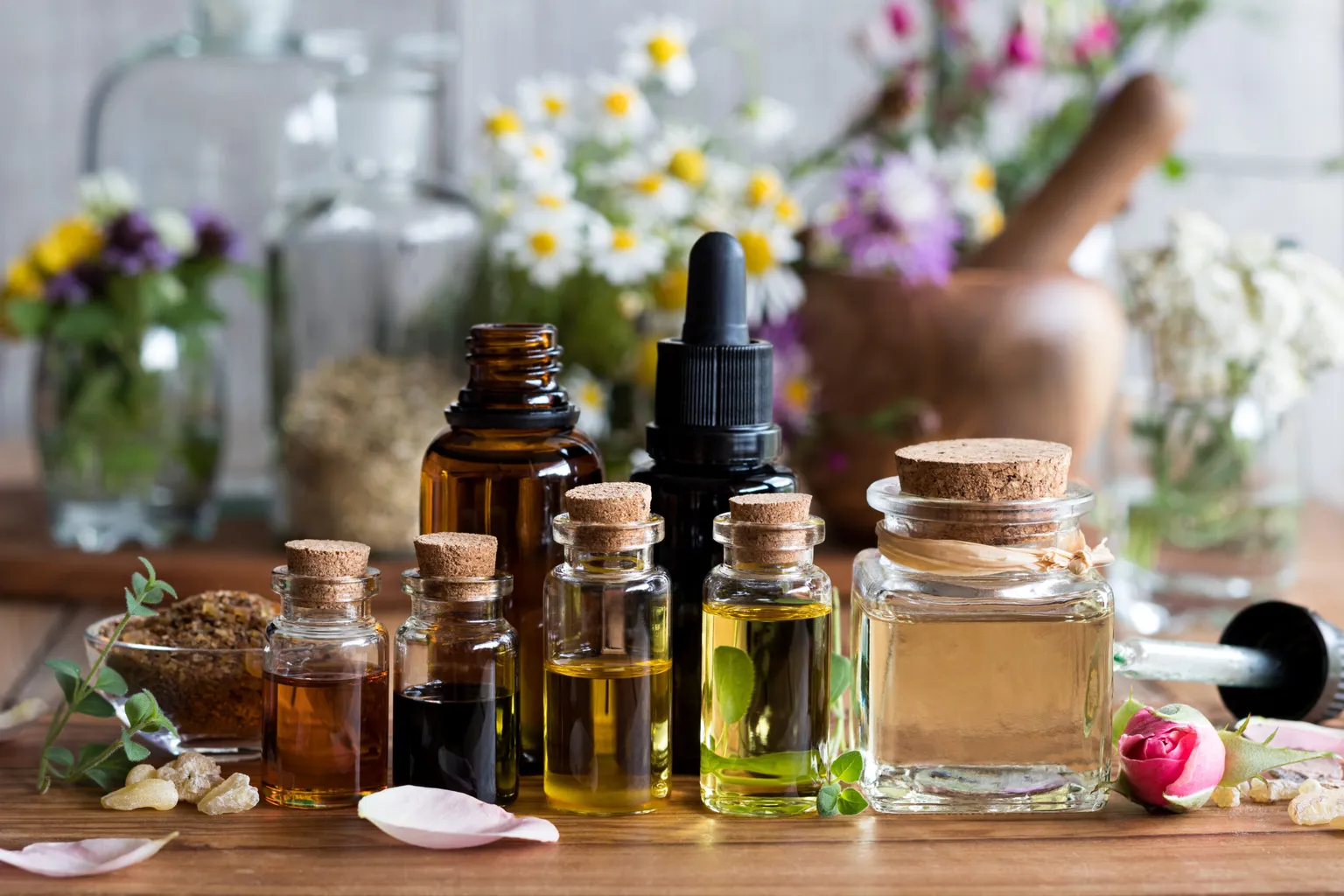
An oil-based perfume is a fragrance composition carried in an oil base rather than the alcohol-based format commonly found in many spray perfumes. These fragrances are generally applied directly to the skin in small amounts.
Perfume oils may come in compact bottles with roll-on applicators or other application methods designed to help you control the amount you use.
They can feature virtually any fragrance family, including Oud, musk, amber, rose, sandalwood, florals, woods, and many modern fragrance combinations.
What Is a Spray Perfume?
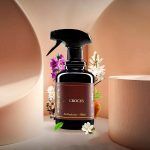
Spray perfume is one of the most familiar fragrance formats. The fragrance composition is contained in a bottle fitted with an atomizer that distributes a fine mist across the skin or, when appropriate, clothing.
Spray fragrances are available in different formats and concentrations, including Parfum, Eau de Parfum, and Eau de Toilette. This means that not every spray perfume has the same strength, longevity, or projection.
One of the main advantages of a spray format is its ability to distribute fragrance across several application points, helping create a scent presence around the wearer.
What Is the Main Difference Between Perfume Oil and Spray Perfume?
The primary differences involve the fragrance base, application method, and the way the scent diffuses.
Oil-based perfumes use an oil carrier and are typically applied directly to specific areas of the skin. Many traditional spray perfumes use alcohol as a carrier and are applied through an atomizer.
As a result, perfume oils often create a more intimate fragrance experience close to the skin, while spray perfumes can diffuse more quickly and create a wider scent trail.
Which Lasts Longer: Perfume Oil or Spray Perfume?
Perfume oils are often associated with good longevity because of their oil-based composition and the way they remain close to the skin.
However, it would be inaccurate to assume that every perfume oil lasts longer than every spray perfume. Longevity depends on many factors, including fragrance concentration, formulation, ingredients, skin type, climate, and application.
A high-quality Eau de Parfum or Parfum can provide excellent longevity, while the performance of perfume oils can also vary considerably between different products.
Instead of judging longevity based only on the format, consider the individual fragrance and its composition.
Which Has Better Projection?
If you want your fragrance to create a more noticeable scent trail around you, spray perfume may be the more suitable option in many cases.
The atomizer distributes the fragrance over a wider area, while volatile ingredients in many spray formulations can help the scent diffuse into the surrounding air.
Perfume oils generally remain closer to the skin, creating a more intimate scent that becomes particularly noticeable when someone is near you.
However, projection varies greatly between individual fragrances, so these characteristics should be considered general tendencies rather than strict rules.
How to Apply Perfume Oil
Perfume oil is usually applied in small amounts to selected pulse points. Depending on the product instructions, you may apply it to areas such as the wrists, sides of the neck, or behind the ears.
Because perfume oils are designed for controlled application, you generally do not need a large amount. Start with a small quantity and allow the fragrance to develop before deciding whether you need more.
Always follow the specific application instructions provided with the product, as perfume oil formulations and concentrations can vary.
How to Apply Spray Perfume
Spray perfume can be applied to pulse points such as the neck, wrists, and chest from an appropriate distance. After application, allow the fragrance to dry naturally.
Avoid vigorously rubbing your wrists together after spraying. Instead, let the fragrance settle and develop naturally on your skin.
The ideal number of sprays depends on the strength of the fragrance, its concentration, the climate, and the environment in which you plan to wear it.
Perfume Oils for Everyday Wear
Perfume oils can be an excellent everyday option for people who prefer a personal scent that remains relatively close to the skin.
The compact size of many perfume oil bottles can also make them convenient to carry and reapply when necessary, whether you’re at work, travelling, or preparing for an evening occasion.
You can choose different scent profiles depending on your mood and lifestyle, from soft musk and floral compositions for everyday use to deeper Oud, amber, and woody blends for evenings.
Spray Perfumes for Everyday Wear
Many people prefer spray perfumes because they are quick and convenient to apply. A few carefully placed sprays can create a balanced fragrance presence that develops throughout the day.
Spray perfumes are also available in an enormous variety of scent profiles, ranging from citrus and fresh compositions to florals, woods, Oud, musk, amber, leather, and spices.
This variety makes it easy to find different fragrances for the office, casual everyday wear, evening events, and special occasions.
Which Is Better for Hot Weather?
In warm climates such as the UAE and other Gulf countries, high temperatures can influence the way a fragrance projects and develops.
Spray perfumes may diffuse more quickly in warm conditions, so it can be helpful to control the number of sprays, particularly with powerful compositions featuring Oud, amber, spices, or deep woods.
Perfume oils may appeal to those who prefer a fragrance that remains closer to the skin with more intimate projection.
In either format, fragrance selection matters. Fresh citrus, aromatic, floral, and lighter woody compositions can be comfortable during warm daytime conditions, while deeper Oud, amber, and woody scents can work beautifully for evenings and air-conditioned environments.
Which Is Better for Special Occasions?
The best option depends on the fragrance presence you want to create.
If you prefer a more noticeable scent trail, a spray perfume may be the natural choice. If you want something more personal and close to the skin, perfume oil can provide a beautiful alternative.
Some fragrance lovers also combine the two formats to create a deeper and more distinctive scent experience.
Can You Use Perfume Oil and Spray Perfume Together?
Yes. Layering perfume oil with spray perfume can be an interesting way to create a more personalized fragrance, particularly when the two products share complementary notes.
For example, a musk perfume oil may pair beautifully with a fragrance featuring musk and rose, while an Oud-inspired oil can complement an oriental spray perfume built around woods and amber.
Start with a small amount of perfume oil on your pulse points and add the spray fragrance carefully. Layering does not mean applying large quantities of both products.
The goal is to create harmony between the scents rather than making the fragrance unnecessarily strong.
How Do You Choose Between Perfume Oil and Spray Perfume?
Start by considering the type of fragrance experience you prefer.
If you enjoy precise application and a scent that remains relatively close to your skin, perfume oils may suit your style. If you prefer convenient application and wider fragrance diffusion, a spray perfume may be a better match.
Also consider when and where you plan to wear your fragrance. You might enjoy perfume oil during work or travel while choosing a spray fragrance when you want a more noticeable presence for an evening or special occasion.
Don’t Choose Based on Longevity Alone
One common fragrance mistake is focusing entirely on how many hours a product lasts while overlooking the scent itself.
A fragrance that lasts a long time but does not suit your taste is unlikely to become a favorite. Consider the complete experience, including the scent profile, longevity, projection, versatility, and how comfortable you feel wearing it.
The best fragrance is not necessarily the strongest one. It is the one you genuinely enjoy wearing.
Perfume Oils and Arabian Fragrance Traditions
Oil-based fragrances have a special place among lovers of Arabian and oriental scents, particularly compositions built around Oud, musk, amber, rose, sandalwood, and other rich ingredients.
The intimate application style of perfume oils offers a different way to appreciate the depth and details of these fragrance notes.
However, perfume oils are not limited to traditional oriental compositions. Modern oil-based fragrances can also feature floral, fruity, fresh, sweet, and woody profiles, providing options for a wide variety of preferences.
How to Store Perfume Oil and Spray Perfume
Proper storage is important regardless of which fragrance format you choose.
Keep both perfume oils and spray perfumes away from direct sunlight, excessive heat, and humidity. Close the bottle properly after use and store it in a relatively cool and stable environment.
Avoid leaving fragrance bottles inside a parked car for extended periods, particularly during summer in hot climates, as temperatures inside the vehicle can become extremely high.
Perfume Oil or Spray Perfume: Which Is Better?
There is no single winner. Perfume oils and spray perfumes offer different fragrance experiences, and both can have a place in a well-rounded fragrance collection.
You might choose perfume oil when you want a subtle, intimate scent close to your skin and use a spray perfume when you prefer wider diffusion and a more noticeable scent trail.
Ultimately, the right choice depends on your personal taste, lifestyle, occasion, and the fragrance itself.
Discover Perfume Oils and Fragrances with Khaltate Perfumes
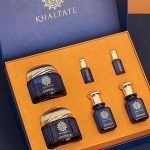
At Khaltate Perfumes, we believe there is more than one way to experience a beautiful fragrance. From concentrated perfume oils to elegant spray perfumes, each format offers its own character and way of expressing scent.
Whether you appreciate Oud, musk, amber, florals, fresh compositions, or sophisticated woody notes, exploring different fragrance formats can help you discover the style that feels most natural to you.
Conclusion
The difference between perfume oil and spray perfume goes beyond the bottle. It involves the fragrance base, application method, projection, and the way the scent develops on your skin.
Perfume oils generally offer a more intimate fragrance experience, while spray perfumes make it easier to distribute fragrance across a wider area. Neither option is automatically better than the other.
Choose perfume oil if you enjoy controlled application and a scent that stays closer to your skin, choose a spray perfume if you prefer easy application and wider diffusion, or carefully combine both to create your own fragrance experience.
Explore the world of scent with Khaltate Perfumes and discover the fragrance style that best reflects your personality, preferences, and occasions.